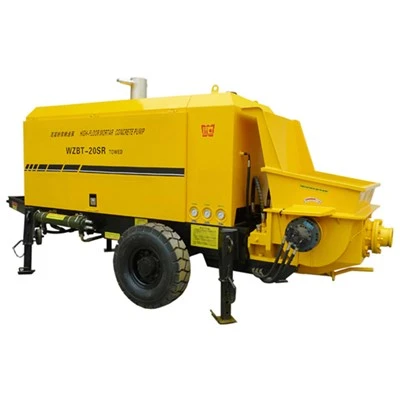
If you’ve ever stood at a construction site watching a concrete pump shoot wet, heavy material 30 feet into the air or through a narrow alley between two buildings, you’ve probably wondered: what pressure does a concrete pump actually use? As a concrete pump supplier who’s worked with contractors, foundation crews, and concrete mix operators for over a decade, I can tell you the answer isn’t a single number—it depends on the pump type, the project’s demands, and even the mix of concrete itself. Getting this pressure right is the difference between a smooth pour and a clogged line, a delayed job and a finished deadline. Today, I’m breaking down the science behind concrete pump pressure, how different pump models stack up, and why choosing the right pressure for your job matters as much as choosing the right pump.
First, let’s start with the basics: concrete is not a simple fluid. It’s a heterogeneous mix of cement, water, aggregate (sand, gravel, or crushed stone), and sometimes admixtures, with a consistency that ranges from thick, workable “plastic” concrete to grout so thin it pours like water. For a pump to move this material through rigid pipes or flexible hoses, it has to overcome two main types of resistance: frictional resistance inside the pipe and hydrostatic resistance from the weight of the concrete itself. Frictional resistance is the biggest variable here—it depends on the pipe’s diameter, how smooth its interior is, the viscosity of the concrete mix, and even how fast the pump is moving the material. Hydrostatic resistance is simpler: every foot of vertical height adds roughly 0.43 pounds per square inch (PSI) of pressure, since concrete’s density is close to that of water. That means a 50-foot vertical lift requires at minimum ~21.5 PSI just to hold the concrete up before you even account for friction.
Now, the pressure a concrete pump generates is measured in PSI, and ranges widely depending on the pump’s design. There are two primary pump technologies used in modern concrete pumps: piston pumps and screw pumps (also called progressing cavity pumps). Most heavy-duty pumps on construction sites are piston pumps, and their pressure output is typically the highest. For example, large trailer-mounted piston pumps, like the ones used for high-rise construction, can generate pressures between 2,000 and 3,500 PSI. These pumps are built to push concrete long distances—some can deliver material over 1,500 feet horizontally or 300 feet vertically. The high pressure is necessary to overcome both the extreme frictional drag from moving large aggregate mixes and the height of a skyscraper’s upper floors.
Smaller pumps, by contrast, have much lower pressure ranges. If you’re working on a residential foundation, a backyard patio, or a tight space where a large pump can’t fit, you’ll likely use a smaller piston pump, often mounted on a truck or trailer but with a more compact design. These pumps typically output between 700 and 1,500 PSI, which is more than enough for short horizontal runs (under 300 feet) and moderate vertical lifts (up to 80 feet). For even smaller projects, like repairing a driveway or pouring a small slab, some contractors use the Small Concrete Delivery Pump, which we design for light-duty work. These pumps operate at 400 to 800 PSI, enough to move concrete through 100 feet of hose or 20 feet of vertical height, and their lower pressure makes them easier to maneuver in tight residential areas where overkill isn’t just inefficient—it’s risky for surrounding property.
Diesel-powered pumps, like the Diesel Concrete Mixer Pump, have slightly different pressure characteristics than electric models, mostly because of their power source. Diesel engines deliver consistent, high torque at low RPMs, which translates to stable pressure output even under heavy load. This makes diesel pumps ideal for remote construction sites where electricity isn’t available; their pressure ranges match similar-sized electric pumps, but the consistent power is key for avoiding pressure drops mid-pour. Electric pumps, while more common in urban areas with grid power, can sometimes have minor fluctuations in pressure if the site’s power supply is inconsistent, though modern models are designed to mitigate that issue.
Another type of pump that’s grown in popularity over the last decade is the Mortar Grout Pump, used for projects that require thinner, more fluid material like grout or self-leveling underlayment. Grout has a much lower viscosity than structural concrete, so the pressure requirements are much lower—usually between 100 and 500 PSI. The screw pump design used for most grout pumps is perfect here, since it moves material with a gentle, continuous twisting action instead of the high-impact push of a piston pump, reducing the risk of air bubbles or separation in the thin mix. If you’re doing tile work, repointing brick, or pouring underlayment for a new floor, a Mortar Grout Pump is the right tool, and its low pressure prevents material from squirting out of joints or causing damage to finished surfaces.
Now, why does all this pressure matter? Too little pressure, and you’ll get a clogged line before the job is half done. Clogs happen when the concrete’s aggregate gets stuck in the pipe’s narrowest point, and low pressure isn’t enough to push it through. Too much pressure, on the other hand, can cause pipe bursts, damage to the pump itself, or even dangerous blowouts that send concrete flying. I remember a job a few years back where a contractor rented a pump that was rated for 2,500 PSI, but used a pipe that had seen better days and was only rated for 1,800 PSI. The pipe burst halfway through a foundation pour, spilling 20 cubic yards of concrete across a newly landscaped lot and setting the project back three days. That’s the kind of avoidable mistake that comes from mismatching pump pressure to pipe specifications.
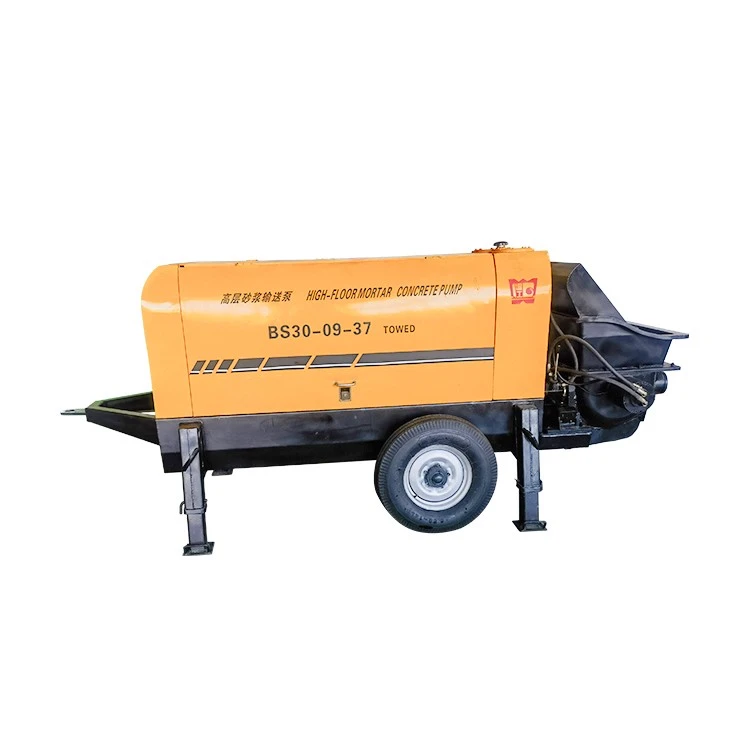
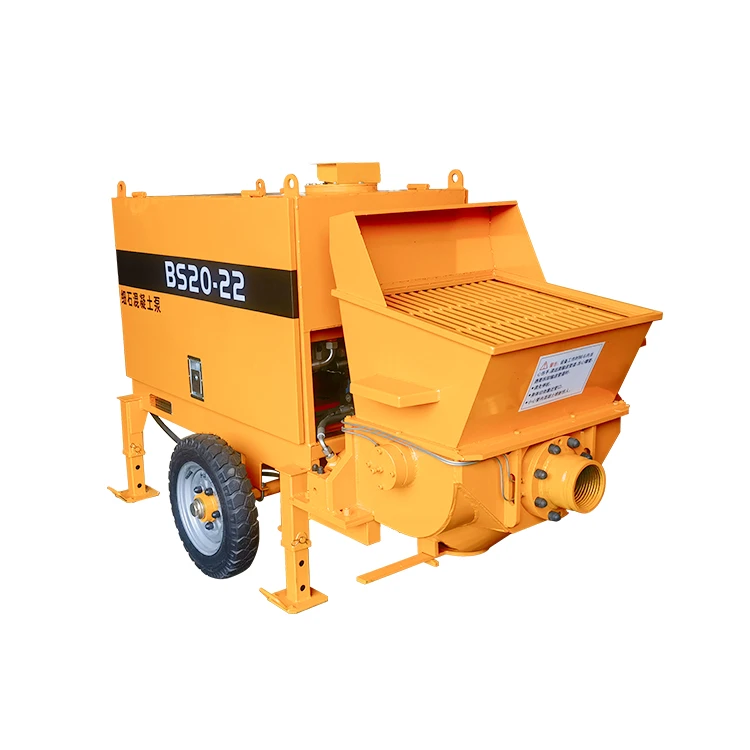
It’s not just pipe specs either—your concrete mix affects the required pressure too. A mix with larger aggregate (like 2-inch stone) will have higher frictional resistance, so you’ll need a pump with higher pressure to move it, whereas a mix with only fine sand will need far less. admixtures like superplasticizers, which make concrete workable without adding excess water, can lower the required pressure too, since they reduce friction inside the pipe. That’s why working with a pump supplier that can help you match pump pressure to both your mix and your site is such a big advantage; we don’t just sell pumps, we help contractors avoid costly mistakes.
If you’re working on a project and wondering which pump pressure is right for you, start by mapping out your job’s requirements. Measure the horizontal distance from the pump to the pour site, the vertical height you need to lift the concrete, and the type of concrete mix you’ll be using. For example, a residential foundation with a 50-foot horizontal run and 10-foot vertical lift will only need a pump in the 700–1,000 PSI range, so a Small Concrete Delivery Pump would be more than sufficient, and more cost-effective than renting a high-pressure pump designed for high-rises. A 20-story building downtown, by contrast, will need a high-pressure piston pump rated for 2,500 PSI or more to push concrete 200 feet up the side of the building.
Concrete Delivery Pump, our most versatile pump line, is designed to cover a wide range of pressure needs, with models that output from 800 to 3,000 PSI, so we can match almost any project, small or large. We also work with contractors to adjust pressure on the fly mid-job; modern pumps have variable pressure controls that let you dial up or down depending on how the concrete is moving, adapting to any changes in mix or pipe condition. That flexibility is one of the biggest advantages of working with a reputable supplier instead of renting a generic pump, and it’s what keeps projects on track even when conditions change.
I know it’s easy to overlook the pressure of a concrete pump when you’re focused on timelines, material costs, and crew schedules. But asking the right questions about pressure—how much you need, how your pump delivers it, and how it matches your site—can save you from delays, extra costs, and safety incidents down the line. At the end of the day, a concrete pump is only as good as its pressure performance; even the best pump is useless if it can’t move the concrete where it needs to go, at the right speed, and without causing damage.
If you’re planning a concrete project and want to talk through what pressure you’ll need, or browse our full line of pumps tailored to every job type, feel free to reach out to our team for a consultation. We’ve worked with contractors of all sizes, from homeowners doing small backyard projects to large construction firms building skyscrapers, and we’ll help you find the right equipment for your needs.
References:
- American Concrete Institute. (2020). Practice for Choosing and Using Concrete Pumps and Pumping Equipment. ACI 306.1R-20.
- Portland Cement Association. (2019). Concrete Pumping Technology and Application. PCA Education Series.
- National Ready Mixed Concrete Association. (2021). Pressure Requirements for Concrete Pumps: Best Practices for Site Preparation. NRMCA Technical Bulletin.
- Construction Equipment Association. (2022). Specification and Operation of Concrete Pumps for Commercial and Residential Construction. CEA Standards.