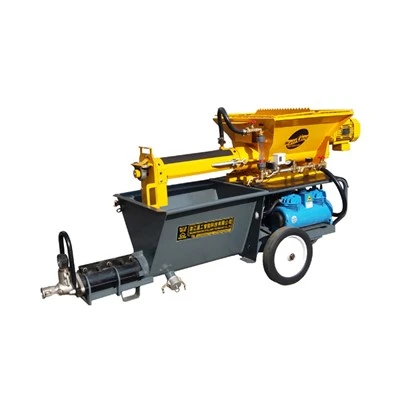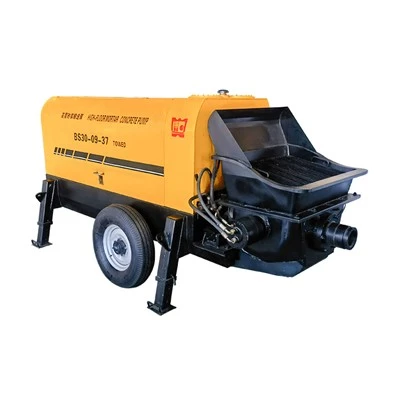
If you’ve ever hung around a construction site, watched a mason patch a crack in a wall, or seen a contractor prep a floor for tile, you’ve probably noticed that mixing and spraying materials used to be such a headache. Back in the day, everyone relied on manual mixing—shoveling bags of powder into a bucket, stirring with a stick, hauling that heavy, gloopy mix over to the work area, and then spraying it on (or trying to, with a beat-up old hand sprayer that leaked everywhere). It was messy, slow, and half the time, the mix was lumpy or too thin or too thick because you messed up the ratio. That’s where mixing sprayers come in, and if you’re a newbie to the construction or renovation game, you might be wondering: What even is a mixing sprayer used for? Let’s break it down, because it’s way more versatile than you’d think—plus, as someone who’s been selling these bad boys for years, I’ve seen them fix more headaches than I can count.
First off, let’s get the basics straight. A mixing sprayer isn’t just a “machine that mixes stuff and sprays it.” It’s a two-in-one workhorse designed to do two big jobs at once: mix construction materials to a consistent, lump-free, workable ratio, and then spray that mix evenly onto a surface—no manual labor required. The whole setup cuts down on time, cuts down on waste, and makes jobs way less physically draining than the old way. And before you ask, no, it’s not just for big construction firms. I’ve seen small handymen, independent masons, and even weekend warriors with big renovation projects use these things like pros.
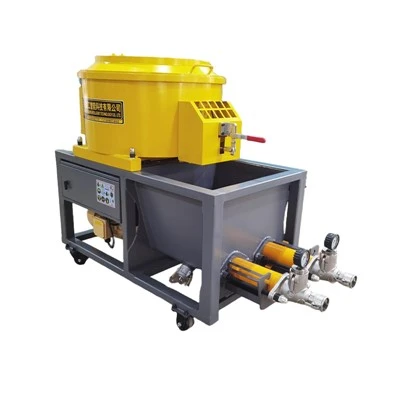
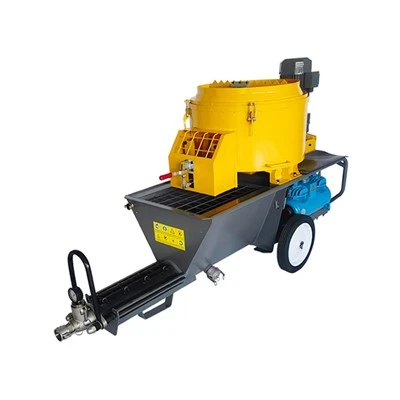
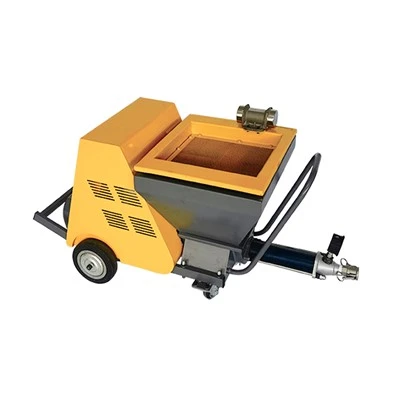
Let’s start with the most common use case: mortar. Mortar is that goopy stuff that holds bricks together, seals gaps between blocks, or coats walls for plastering. If you’ve ever mixed mortar by hand, you know it’s brutal—one wrong measurement, and it’s either too crumbly to stick or so thick you can barely spread it. A mixing sprayer takes the guesswork out of mortar mixing. It automatically measures water and powder (you just pour in the pre-measured bags, no counting scoops), mixes it to a uniform consistency, and then sprays it right where it needs to go. No more shoveling buckets, no more sore arms from stirring, no more wasted mortar because you messed up the batch size. We’ve got a whole line of these for mortar work, like the Mixed Mortar Mixing Machine that’s perfect for both small patch jobs and big wall coating projects. Then there’s our Mortar Spraying Plaster Machine, which is built specifically for smoother, even coatings that look way better than hand-applied plaster.
But wait, mortar isn’t the only thing these machines handle. Another super common use is grout for tiling. If you’ve ever laid tile, you know grout is that fine, sand-filled mix that fills the gaps between tiles, making them look neat and keeping water out. Mixing grout by hand is even trickier than mortar—too much water, and it shrinks and cracks; not enough, and it’s hard to spread. A mixing sprayer mixes grout to the exact right thickness, so it flows through the spray nozzle evenly, no clogs, no air bubbles. That means you can get grout into every tiny tile gap without having to wipe it on with a float, which cuts your tiling time in half. And if you’re working on a big bathroom or commercial floor, you don’t have to stop every 10 minutes to mix a new batch—our Continuous Mixing Mortar Machine keeps the mix going nonstop, so you can work without delays.
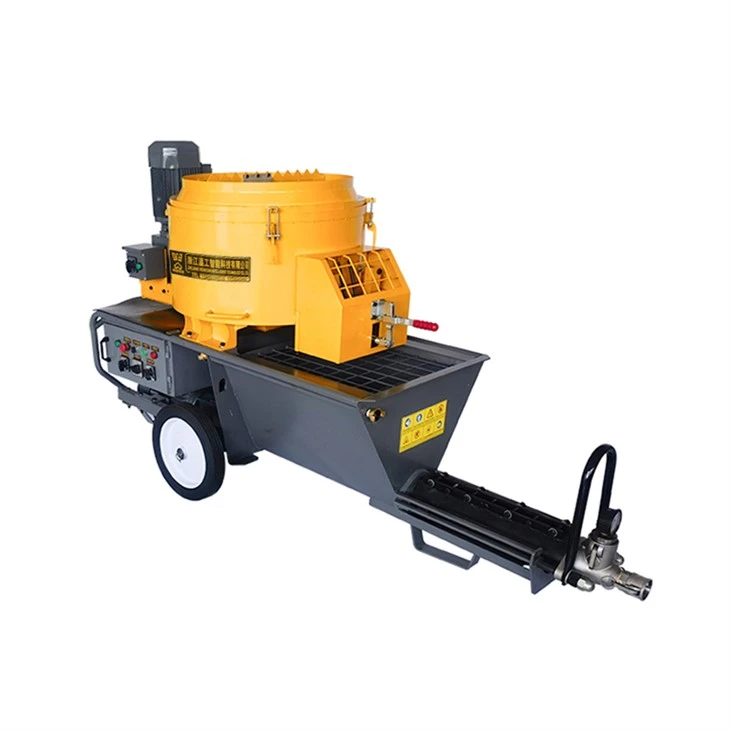
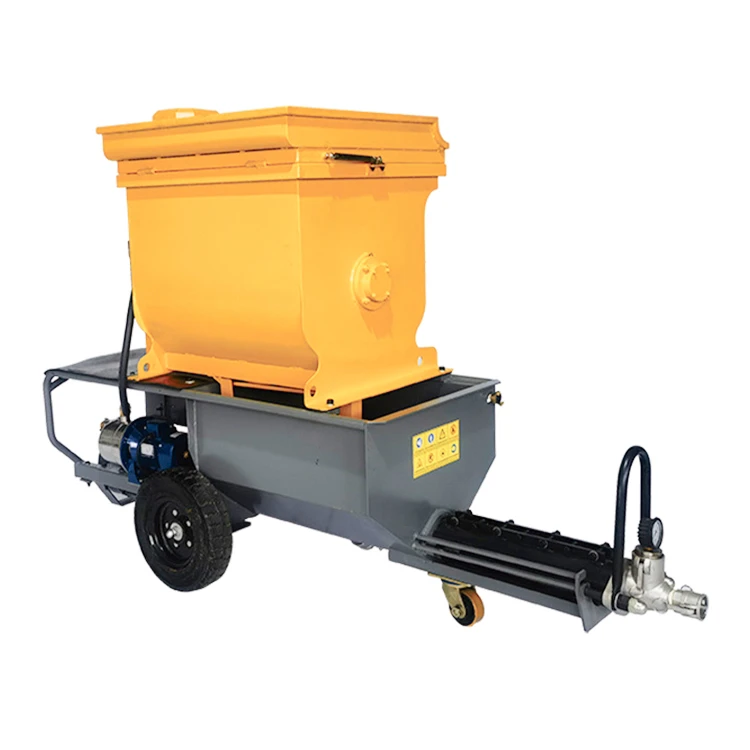
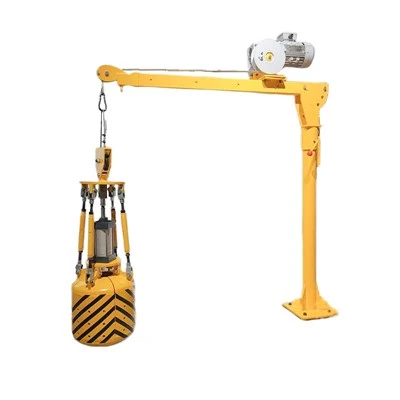
Speaking of things that need to flow evenly, cement grouting is another huge use. Cement grout is used for way bigger jobs than tile—think sealing foundation cracks, grouting anchor bolts in concrete, or even doing some structural repairs. A regular old mixer can’t handle the consistency of cement grout (it’s thicker, requires more precise mixing to avoid air pockets that weaken the bond), and a hand sprayer can’t push it through without clogging. Our Cement Grouting Machine is built to handle that thick, heavy mix, mixing it to a consistent density and spraying it under pressure so it gets into every tiny crevice and crack. I’ve had customers use these to fix foundation cracks in old homes, and they’ve told me it’s way more reliable than pouring grout in by hand and hoping it seeps all the way through. No more wasted grout seeping out the bottom of cracks, no more weak spots because of uneven mixing.
Now, you might be thinking, “Okay, this is all construction stuff—what about other jobs?” Let’s get into the more underrated uses of mixing sprayers. Ever done a stucco job on an exterior wall? Stucco is that textured coating that gives houses that classic, rough look. Applying stucco by hand takes forever, and it’s easy to end up with lumpy, uneven patches that look sloppy. A mixing sprayer mixes the stucco mix (sand, cement, lime, water) to the exact right consistency, then sprays it onto the wall with the perfect texture. You can adjust the nozzle to get smooth or textured finishes, depending on what the job needs. Same with render—if you’re covering a brick wall to make it look like a smooth painted surface, a mixing sprayer makes the render go on evenly, no streaks, no sags, and it dries way more uniformly than hand-applied render.
Another big one: fireproofing and insulation spray. Wait, fireproofing? Yeah, some mixing sprayers are designed to handle fire-resistant materials that are used in commercial buildings to meet safety codes. Those materials need to be mixed in a very specific way to maintain their fire-retardant properties—too little water, and they’re too crumbly; too much, and they don’t work as well. A mixing sprayer ensures the mix is consistent, so the fireproofing works as intended. Same with spray foam insulation, though you have to make sure you’re using the right machine for that, but it’s a growing use case as more people focus on energy-efficient buildings.
And let’s not forget about small, everyday projects. I once had a customer who fixed his backyard’s concrete patio with a mixing sprayer. He mixed a concrete resurfacer (a thin, repair mix for old, cracked patios) in the machine, sprayed it over his whole patio, and it turned out way better than if he’d tried to trowel it on. No more matching the old concrete mix, no more uneven patches. It’s also great for things like applying waterproofing coatings to basements, or even for agricultural jobs—like mixing and spraying seed coating for crops, or fertilizer mixes that need to be evenly applied. Wait, but I’ll stick to construction because that’s what I know, but the point is these machines are versatile.
Now, I’ve been selling mixing sprayers for 7 years, and I’ve learned a lot of common mistakes people make when using them. First, don’t skip cleaning the machine after every use. If mortar or grout dries inside the mixing chamber or nozzle, it’ll clog the next time you use it, and you’ll have to take it apart for hours to clean it. Second, test the mix consistency before you start the job. Even the best machine will mess up if you put in too much or too little water—pour a little sample on a scrap surface, adjust as needed, then go for it. Third, match the machine to the job. You don’t need a heavy-duty machine for a small bathroom tile grout job, and you don’t want a tiny machine for a whole house stucco job. Our Mortar Mixing Machine is perfect for small to medium jobs, while our Continuous Mixing Mortar Machine is built for big, ongoing projects like new home construction.
Wait, let’s talk about why this is such a game-changer for small contractors. A lot of independent masons or handymen don’t have the budget for a big crew, so they need to work fast and avoid mistakes. A mixing sprayer lets one person do the job that would take two or three people, and the quality is way better. I had a customer who was a solo mason, and before he got his mixing sprayer, he was doing 2 small patio jobs a week. Now he’s doing 5, and he says he makes more money because he’s not wasting time mixing by hand or fixing botched jobs. That’s the real value here—it’s not just about the machine; it’s about making your business more profitable and less stressful.
I know some people are skeptical, like “why not just rent one if I need it once?” And yeah, renting is an option, but buying makes sense if you use it regularly. The machines are built to last (we use heavy-duty parts that don’t break easily, even after daily use), and over time, the cost savings from not wasting materials and not paying for extra labor add up fast. Plus, you don’t have to wait for a rental to be available when you have a tight deadline.
At the end of the day, the core thing a mixing sprayer is used for is making construction, renovation, and repair jobs faster, cleaner, more consistent, and less physically demanding. It’s not a fancy gadget—it’s a tool that solves real problems that every tradesperson has dealt with at some point. Whether you’re laying brick, patching a foundation, coating a wall, or tiling a bathroom, these machines take the hassle out of mixing and spraying so you can focus on getting the job done right.
If you’re thinking about investing in a mixing sprayer for your business, or you’ve got questions about which one is right for your specific jobs, don’t hesitate to reach out. We’ve helped hundreds of contractors find the perfect machine for their needs, from small handymen to large construction firms. We’ve got a range of options, from compact models for small jobs to heavy-duty continuous mixers for big projects, all designed to be easy to use and built to last. Contact us today to chat about your requirements and find the right mixing sprayer for you.
References:
- National Association of Home Builders. (2022). Tools and Equipment for Modern Residential Construction.
- Occupational Safety and Health Administration (OSHA). (2021). Best Practices for Reducing Physical Strain in Construction Trades.
- American Society of Civil Engineers. (2020). Efficiency Improvements in Construction Material Mixing and Application.