If you’re new to concrete work, or even if you’ve been in the game for a while, there’s a good chance you’ve heard of line pumps for concrete pouring. I’ve been selling concrete pumping equipment for years, and let me tell you—this stuff isn’t just “moving concrete from A to B.” Do it right, and you cut time, reduce waste, and keep your crew from killing their backs. Screw it up, and you’re dealing with clogs, slow pours, and a whole lot of extra work. Today, I’m breaking down how to actually use a line pump like a pro, no fancy engineering degree required.
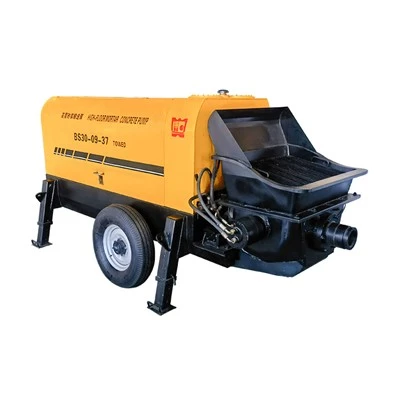
First, let’s get on the same page: what even is a line pump for concrete? Think of it as a motorized, hose-connected system that moves wet concrete straight from the mixer to wherever you need it—whether that’s a second-floor patio, a tight foundation crawl space, or a big commercial slab. Way better than wheelbarrowing 50-pound buckets all day, right? But here’s the thing: it’s not just turning a key and pulling a hose. You’ve got to prep, set it up, operate it, and wrap it up without messing things up. I’ve seen guys jump into a pour unprepared, only to have their pump seize because they skipped a basic step. Don’t be that person.
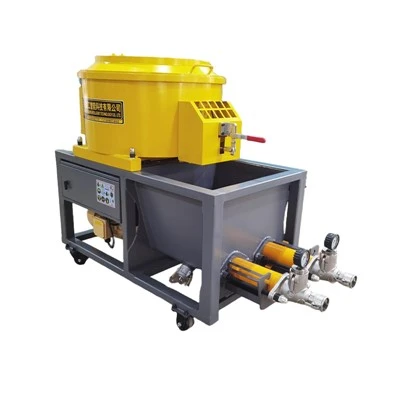
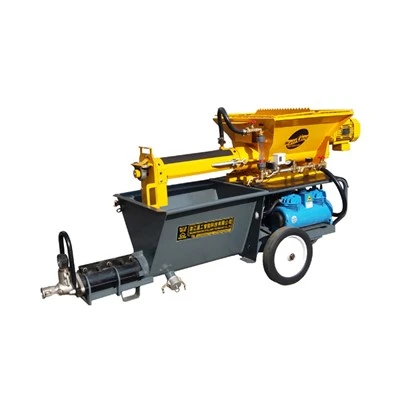
Let’s start with pre-pour prep. This is 70% of the battle, I swear. Most issues with line pumps start here, not during the actual pour. First, test your concrete mix. If it’s too dry—like, not enough water, or it’s too old (more than 90 minutes after mixing)—it’ll get stuck in the pump pipe. Too wet? It’ll separate, leaving aggregate at the bottom and cement slurry on top, which also clogs lines. A good mix should be the consistency of thick peanut butter: it holds its shape when you scoop it, but isn’t so stiff you can’t stir it. If you need a pump that handles finer mixes, like grout or mortar, check out our Mortar Grout Pump—we’ve got models built just for that, no clog headaches.
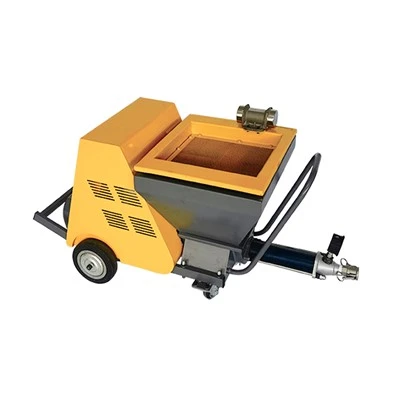
Next, prep the pump itself. You can’t just fire up a cold line pump and dump concrete in. Before every use, prime the hopper (the part that holds the concrete) with water, then a small batch of “pump mix”—usually a bag of cement mixed with water and a tiny bit of sand, no aggregate. This coats the inner walls of the pump and hose so the wet concrete doesn’t stick. Also, check all your connections: the hose clamps, the pump’s moving parts, even the power source (if it’s electric) or fuel tank (if it’s diesel). A loose clamp mid-pour will leak concrete all over the place, and a dead engine when you’re 100 feet from the mixer? Nightmare. If you’re working on a small job, our Small Concrete Delivery Pump is lightweight and easy to move around, perfect for residential pours or tight spots.
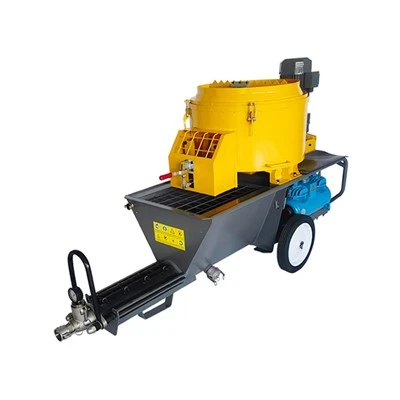
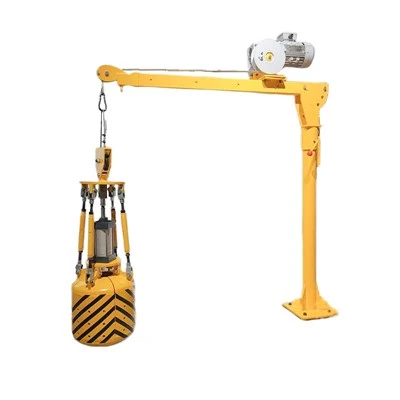
Then there’s the actual setup. Choose a spot for your line pump that’s level—no exceptions. If it’s tilted, the concrete flow will be off, and the pump could wear out faster. Place it as close to the mixer as possible, but still with enough room for your hose to run smoothly—no sharp turns. A 90-degree elbow in the hose is a clog waiting to happen, so keep bends gentle, like 45 degrees max. Also, make sure the hose has a secure, stable end at the pour site—you don’t want it bouncing around while concrete is pouring, splashing everywhere. If you’re doing a big commercial project, our Concrete Delivery Pump has higher pressure to run longer hoses, so you don’t have to move the pump mid-job. And if you need to mix and pump at the same time, our Diesel Concrete Mixer Pump combines both into one unit—cuts down on equipment you need to haul to the site.
Now, the main event: operating the line pump safely and effectively. First, assign a dedicated operator—someone who’s paid attention to the steps, not someone just grabbing the wheel out of boredom. The operator’s job is to watch the hopper (never let it run empty—air in the lines causes clogs), adjust the flow, and communicate with the mixer operator. When you start the pour, go slow at first to get the concrete moving, then increase speed once the line is full. If you notice the pressure gauge spiking, that’s a sign of a clog. Don’t just crank the speed more—that’ll make it worse. Instead, reverse the pump for 5 to 10 seconds, then forward again. That usually loosens the clog. If that doesn’t work, shut it down immediately, take the hose apart, and clear the blockage. Trying to power through a clog will blow a hose or damage the pump, which is way more expensive than stopping for two minutes.
Also, pay attention to the crew at the pour site. Don’t let concrete pile up in a corner or pour faster than the pump can move it. If you’re doing a slab, spread it evenly in 6-inch lifts (pump batches in layers, don’t dump one huge pile). This makes finishing way easier, and prevents uneven settling. I can’t stress this enough: communication is key. The pump operator, mixer operator, and finish crew should all be on the same page, maybe even have a system of hand signals or walkie-talkies. No one wants to be the guy who’s waiting for concrete while the pump is already full.
Now, the post-pour cleanup. This is the step most people rush, but it’s what makes or breaks your pump’s lifespan. As soon as the pour is done, you have 15 to 20 minutes to clean everything—before the concrete hardens. Start with the hopper: dump any leftover concrete into a wheelbarrow, then spray the hopper and pump chamber down with high-pressure water. Don’t just hose it a little—get every nook and cranny. Then clear the hose: you can either “pig” it (send a rubber pig through the hose with water to push out remaining concrete) or take sections of the hose apart and clean them individually. If you leave even a little concrete in the hose, it’ll harden overnight, and next time you use the pump, the line will be clogged before you even start. And don’t forget to wipe down the pump’s moving parts, check for any debris, and top off fuel or charge batteries for next time.

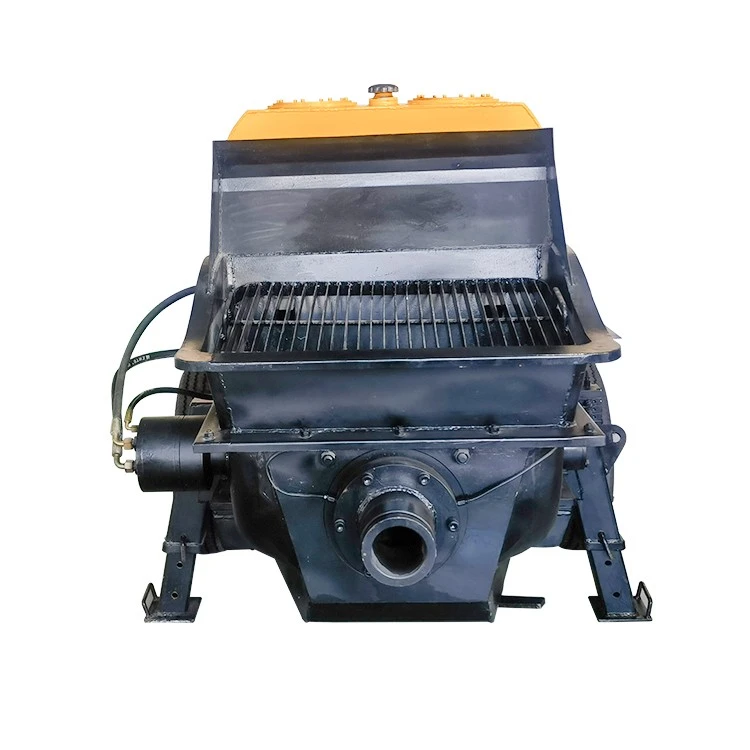
Wait, a quick safety note I almost missed. Line pumps are heavy, and wet concrete is slippery. Make sure the pump is stabilized with outriggers before operating—don’t skip that, even if the ground looks level. Also, wear proper gear: steel-toe boots, gloves, and eye protection. Concrete is corrosive, and a stray hose can swing and hit you if it’s not secured. I’ve seen a guy get concrete in his eye because he wasn’t wearing goggles—never again, he says.
Now, let’s talk about common mistakes I see all the time. One: using old concrete that’s been sitting around. I get it, you don’t want to waste mix, but concrete that’s past its prime will clog lines faster than anything. Two: running the pump hopper empty. Even a few seconds of air in the line can cause pressure spikes. Three: sharp bends in the hose. I’ve seen a guy route a hose around a tree with two 90-degree turns, and he spent three hours the next day unclogging it. Just plan your hose path ahead of time.
If you’re just starting out, or your current pump is giving you trouble, don’t stress. There’s a line pump for every job, whether it’s a small residential patio or a big commercial foundation. We’ve got the Mortar Grout Pump for finer mixes, the Diesel Concrete Mixer Pump to combine mixing and pumping, the Small Concrete Delivery Pump for tight residential jobs, and the Concrete Delivery Pump for large-scale projects. All of them are built to be reliable, but even the best pump only works if you use it right.
At the end of the day, using a line pump for concrete isn’t rocket science, but it does take a little prep, attention to detail, and a solid cleanup routine. If you follow these steps, you’ll cut down on downtime, avoid costly clogs, and get the job done faster. If you’re looking for a new pump or have questions about which one fits your needs, feel free to reach out to our team—we’re here to help with recommendations, tips, and support for every job. No sales pitch pressure, just real advice from people who work with this stuff every day.
References:
- American Concrete Pumping Association. (2021). Line Pump Operation Best Practices for Concrete Placement. Industry Technical Bulletin.
- Construction Equipment Guide. (2022). “Choosing the Right Concrete Pump for Residential vs. Commercial Jobs.” Equipment Resource Report.
- Smith, J. (2020). Maintenance Protocols for Line Pumps to Extend Equipment Lifespan. Concrete Contractor Magazine.
- Occupational Safety and Health Administration (OSHA). (2019). Safety Guidelines for Portable Concrete Pump Operation. Construction Safety Fact Sheet.
- European Concrete Pumping Association. (2023). Technical Specifications for Pumping Mortar and Grout Mixes. Product Performance Guide.