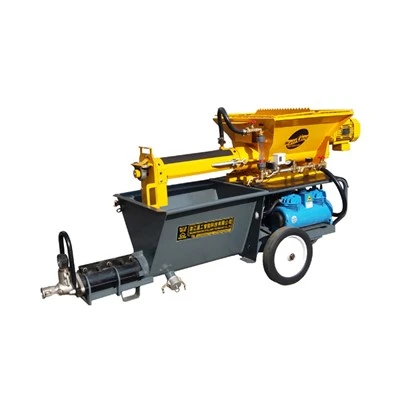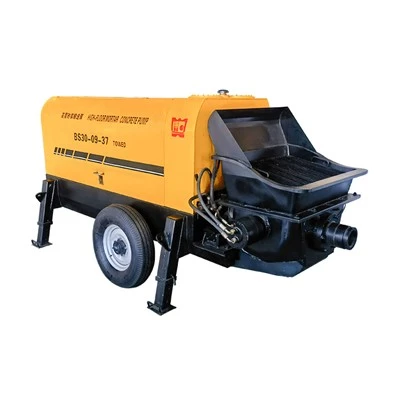
If you’ve ever driven past a construction site where a small crew was pouring a concrete slab, mixing mortar for brickwork, or patching a damaged section of a road, chances are good they were using a mobile cement mixer. As a supplier of these units, I’ve spent years walking job sites, talking to contractors, and explaining why mobile mixers are more than just a convenient tool—they’re a core part of getting small to medium-scale construction, repair, and renovation work done efficiently. Let’s break down exactly what these machines are used for, why they matter, and how they fit into every project from a backyard patio to a city infrastructure fix.
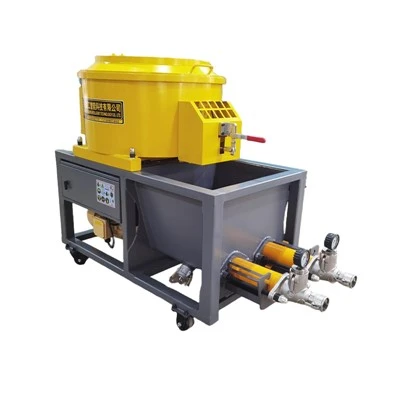
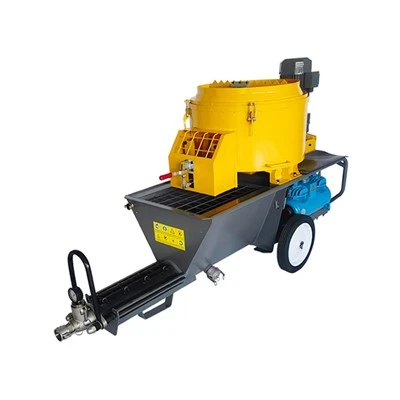
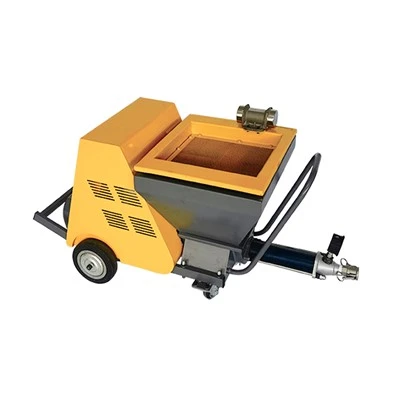
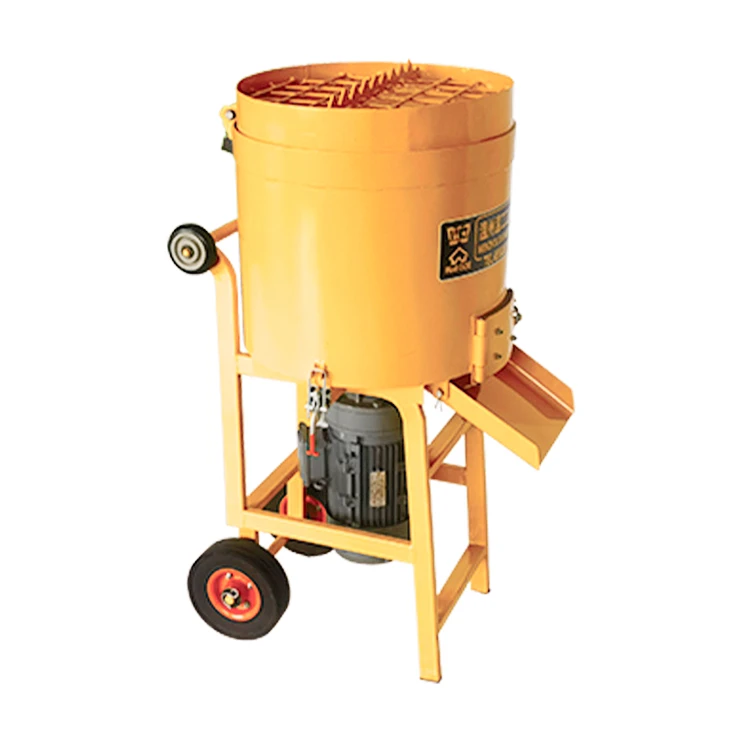
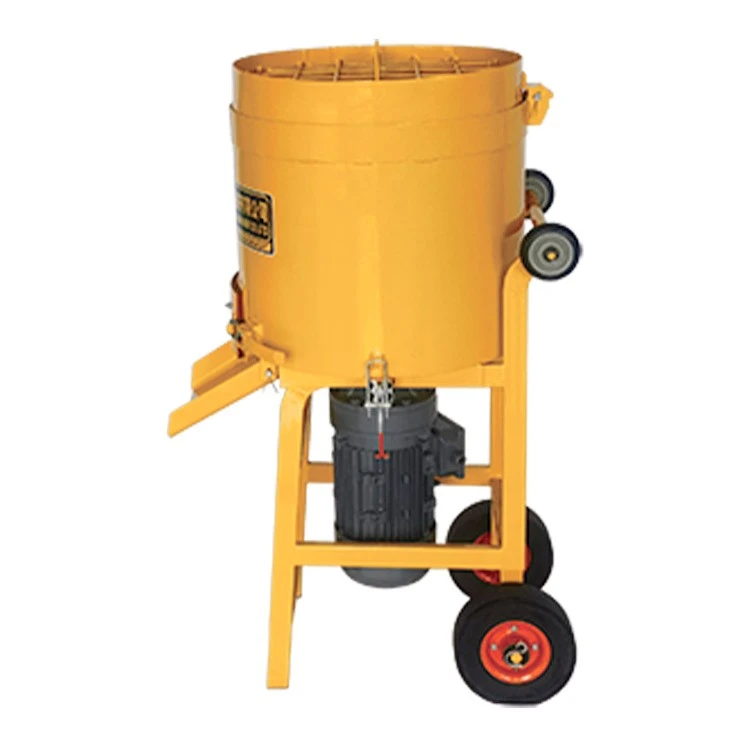
First, it’s important to clarify what a mobile cement mixer is, in case you’re new to the space. Unlike large, fixed industrial mixers that stay bolted to a central concrete plant, mobile units are compact, mounted on wheels or a small trailer, and designed to move from one job site to the next without needing heavy transport equipment. Their small size doesn’t mean they lack power—some of our most popular models, like the High Performance Mixer, can mix up to 12 cubic feet of material in a single batch, enough for a 10x10 foot concrete slab or 500 bricks’ worth of mortar. That portability is their biggest superpower, and it unlocks a huge range of uses that fixed mixers simply can’t support.
The most common and obvious application for mobile cement mixers is small-to-medium concrete placement. Think of projects where you don’t need a full cement truck—things like residential patios, sidewalk repairs, backyard foundations, or small retaining walls. For example, a homeowner building a 12x12 foot patio might only need 1.5 cubic yards of concrete, which would be too little for a ready-mix truck to deliver cost-effectively (many charge a minimum delivery fee even for tiny loads). A mobile mixer lets that homeowner or a small contractor mix exactly the amount they need, right on-site, so there’s no waste, no extra fees, and no waiting around for deliveries. I’ve seen this play out hundreds of times: a local mason working on a set of steps for a local café will pull up their mobile mixer, measure out cement, sand, and aggregate, and have a full, workable batch ready in 3–5 minutes. It’s simple, fast, and avoids the hassle of over-ordering concrete that would go bad before it’s used.
But mobile cement mixers do far more than just concrete. A huge portion of the work my team supports involves mixing mortar for masonry projects. Mortar is a different mix than concrete—usually a combination of cement, lime, sand, and water, with no aggregate (the large stones that give concrete its strength). It needs to be smooth, workable, and consistent, because it’s the “glue” holding bricks, blocks, or stone together for walls, chimneys, fireplaces, or garden walls. Fixed mixers at a plant can deliver mortar, but again, for small jobs, on-site mixing is ideal. A stonemason repairing a historic stone wall might only need 2 or 3 buckets of mortar, so a mobile mixer lets them mix only what they’ll use in the next 20 minutes (mortar dries fast, especially in hot weather, so fresh mixes are critical for a strong bond). The consistency you get from a quality mobile mixer, like our High Performance Mixer, ensures the mortar has the right ratio of ingredients every time, which prevents weak joints and future repairs.
Another key use I see is concrete and mortar for infrastructure repair work. City governments, utility companies, and local contractors rely on mobile cement mixers to fix potholes, repair damaged curb and gutter, patch broken concrete in sewer access points, or fix small sections of a bridge deck. These projects are often scattered across a city, in tight spaces where a large ready-mix truck can’t maneuver—like a narrow residential side street or a crowded downtown alley. A mobile mixer can be towed right to the repair site, mix a batch of rapid-setting concrete (perfect for potholes that need to be usable in a few hours), and get the job done without closing down a whole block for hours. Last year, we worked with a municipal road crew in a mid-sized city that had a list of 40 small potholes to fix across the city. Using our mobile mixers, they completed the entire job in a single day, instead of waiting 3 days for scheduled ready-mix deliveries. That’s the kind of on-demand capability that mobile mixers bring to large-scale, scattered projects.
Don’t sleep on smaller, niche applications either. I’ve seen mobile cement mixers used for things like mixing grout for tiling projects, creating seed mixtures for erosion control on steep slopes, even mixing small batches of decorative concrete for countertop or patio finishes. Decorative concrete is a fast-growing segment, and many contractors prefer to mix their own colored, stamped concrete on-site to match a client’s exact vision. A mobile mixer gives them the control to add pigments, aggregates, or admixtures (things like air entrainment for cold weather work or water reducers for hot weather) directly to the mix, instead of relying on pre-bagged, one-size-fits-all products. For example, a custom concrete artist working on a backyard patio with exposed aggregate might mix the aggregate themselves on-site, adjusting the ratio to get the exact sparkle and texture the client wants—something that’s much harder to do with a fixed mixer at a plant.
Let’s talk about why mobile mixers are a better choice than other options for these jobs. Some people might try to mix concrete with a wheelbarrow and a shovel, and while that works for tiny, one-off projects, it’s inconsistent, labor-intensive, and creates a lot of waste. A wheelbarrow mix often has uneven ratios of sand, cement, and aggregate, which leads to weaker concrete or mortar that cracks faster. Mobile mixers solve that by using a rotating drum that blends the materials evenly, batch after batch, so every mix is consistent. They also cut down on physical labor—mixing a full batch in a mobile mixer takes a few minutes, instead of 10–15 minutes of shoveling and stirring by hand, which is a huge help for contractors working long days on their knees or on their feet.
Another big benefit is cost. For small projects, buying or renting ready-mix concrete is often more expensive than using a mobile mixer. Ready-mix charges include delivery fees, which can add $50–$100 to a tiny load, plus you’re stuck with exactly what you order—so if you order a half-yard and only use three-quarters, you’re left with waste that’s hard to dispose of. A mobile mixer lets you buy bags of cement, sand, and aggregate in bulk (which is cheaper per unit than small bags) and mix only what you need, so you save money and reduce waste. For example, a homeowner building a small shed foundation might spend $200 on a bag of cement, a yard of sand, and a yard of aggregate, plus the cost to rent a mobile mixer for a day, compared to $300 for a half-yard of ready-mix with delivery fees. That’s a clear saving.
Weather flexibility is another key use case, especially in seasonal climates. In cold weather, concrete sets faster, and mixing it with cold water can cause issues with strength. Many mobile mixers (including our High Performance Mixer) have heating elements that let contractors use warm water to keep the mix at the right temperature, ensuring it cures properly even in freezing conditions. In hot weather, mixers can add retarders to the mix, slowing down the setting time so contractors have more time to work. Fixed mixers at plants can adjust mixes, but you can’t take that control to the job site, which is critical for meeting project deadlines.
Of course, mobile mixers aren’t for every job. For large commercial projects that need thousands of cubic yards of concrete, a ready-mix truck is still the most efficient option. But for projects under 5 cubic yards, scattered sites, tight spaces, or jobs that need on-site customization, mobile mixers are irreplaceable. I’ve talked to contractors who’ve had bad experiences with ready-mix deliveries that were late, or wrong, because of traffic or scheduling issues—mobile mixers let them control their own timeline, which is priceless for small businesses and independent contractors who can’t afford delays.
If you’re a contractor, construction company, or even a homeowner working on a project, the key is to match the right mixer to your job. For most small-to-medium projects, a trailer-mounted mobile mixer with a 8–12 cubic foot drum is perfect. Larger jobs might need a self-propelled mixer that can move around a job site without a tow vehicle, like on a large commercial renovation where space is limited. At our company, we’ve spent years refining our mobile mixers to be lightweight, easy to tow with a standard pickup truck or even a large SUV, and durable enough to handle rough job site conditions. The High Performance Mixer, for example, has a heavy-duty steel drum, a high-torque motor that works even in steep terrain, and a built-in water system for accurate mixing, so you don’t have to guess at how much water to add.
Over the years, I’ve seen technology in mobile cement mixers evolve too. Modern models come with things like digital mixers that track batch sizes and ratios, so contractors can document their work for permits or insurance claims. Some even have discharge chutes that can rotate 360 degrees, so you don’t have to move the whole mixer to pour concrete into a form. For the DIY or homeowner market, there are smaller, electric-powered mobile mixers that are quiet, easy to use, and perfect for small projects like garden walls or shed foundations, without the need for gas.
Let me share a quick story that sums up exactly why mobile cement mixers matter. A few years back, a small general contractor reached out to us after he had a bad experience with a ready-mix delivery for a restaurant patio he was building. The truck got stuck in a muddy driveway, and by the time they unloaded the concrete, a third of it was unusable. He borrowed a mobile mixer from a friend, finished the patio in a day, and saved the restaurant thousands in delay fees. He ended up buying his own mixer from us a month later, and today he uses it for every small project he takes on. That’s the real impact: mobile mixers let small businesses compete with larger companies, because they give them the flexibility and control to handle jobs that big players write off as too small or too scattered.
If you’re in the market for a mobile cement mixer, it’s important to look at factors like drum size, power source (gas vs. electric), portability, and durability. You’ll want something that fits your truck or vehicle for towing, can handle the terrain you work on (like uneven construction sites or steep driveways), and has enough capacity to match the size of your typical jobs. If you do a lot of masonry work, for example, a mixer with a smaller drum might be better for mortar batches, while concrete work will need a larger drum.
At our company, we specialize in mobile cement mixers that are built for real job sites—no flimsy, home-use models that break after a few jobs. We offer a range of sizes, from compact electric units for DIYers to heavy-duty trailer-mounted models for professional contractors, all designed to be reliable, easy to use, and affordable. If you’re looking to buy or rent a mobile cement mixer for your next project, we’re here to help you find the right model for your needs, answer any questions you have about operation or maintenance, and support you long after you make a purchase.
Whether you’re pouring a small patio, repairing a pothole, building a stone wall, or working on a custom concrete project, a mobile cement mixer is more than just a tool—it’s a way to take control of your project timeline, save money, and get consistent, high-quality results. It’s the workhorse that connects the ready-mix plant to the job site, filling in the gaps for every project that’s too small for a truck, too scattered for a fixed mixer, or too custom for a pre-made batch. If you’re ready to learn more about how a mobile cement mixer can work for you, reach out to us to discuss your requirements, browse our range of models, and find the perfect solution for your next construction or renovation project.
References:
- American Society of Concrete Contractors. (2022). Mobile Mixer Best Practices for Small-Scale Construction. ASC Press.
- National Ready Mixed Concrete Association. (2023). Cost Comparison: Mobile Mixers vs. Ready-Mix for Local Construction Jobs. NRMCA Research Institute.
- Construction Equipment Association. (2021). Portable Concrete and Mortar Mixers: Applications and Safety Guidelines. CEA Technical Bulletin.
- Concrete Decor Magazine. (2022). On-Site Mixing for Custom Decorative Concrete Projects. Decorative Concrete Association.
- Municipal Construction Technology Council. (2023). Infrastructure Repair: The Role of Mobile Mixers in Scattered City Projects. MCTC Report.