If you’ve ever walked past a construction site where concrete is being pumped hundreds of feet upward to the top of a skyscraper, or moved thick, coarse batches of material through narrow, tight worksite spaces, you’ve probably witnessed the work of a high-pressure concrete pump. As someone who’s spent over a decade in the concrete pump supply business—talking to contractors, site managers, and DIYers who’ve struggled with stuck pumps, slow pours, or equipment that just can’t keep up with a job’s demands—I can tell you that high-pressure concrete pumps aren’t just “stronger versions” of standard concrete pumps. They’re specialized, engineered tools designed to solve some of the trickiest, most high-stakes challenges in modern construction. Let’s break down what makes them unique, how they work, and when they’re the right call for your next project.
First, let’s start with the basics: a concrete pump in general is a machine that moves liquid or semi-liquid concrete from a stockpile, mixer, or holding tank to a work area, via a system of pipes and hoses. Standard pumps rely on relatively low pressure (usually 70–150 bar, for reference) to push concrete short distances—think ground-level slab pours, small foundation repairs, or low-rise residential basements. They work fine for those small-to-medium jobs, but they hit a wall when conditions get tough. That’s where high-pressure concrete pumps step in, with operating pressures ranging from 160 bar up to 350 bar, depending on the model. That extra pressure isn’t just for show; it’s what lets them move concrete 500 feet or more vertically, horizontally through long pipe runs, or through pipes with sharp bends or narrow diameters that would gum up a standard pump.
To understand why pressure matters so much, you have to think about how concrete behaves once it’s mixed. Fresh concrete is a tricky substance: it’s a mix of cement, water, sand, and aggregate (gravel or stone), and its thickness (workability) changes depending on temperature, how long it’s been since mixing, and the size of the aggregate. For a standard pump, concrete with large aggregates (over 1 inch) or a stiffer, slower-moving consistency will often get stuck in the pump’s cylinder or pipe walls—this is called “blocking,” and it can shut down a pour for hours, costing contractors thousands in labor and delays. High-pressure pumps generate enough force to push even these stubborn, coarse mixes through pipes without blocking, and they can maintain pressure consistently over long runs, so concrete doesn’t separate mid-pour (a common problem when pumps run out of steam halfway through a job).
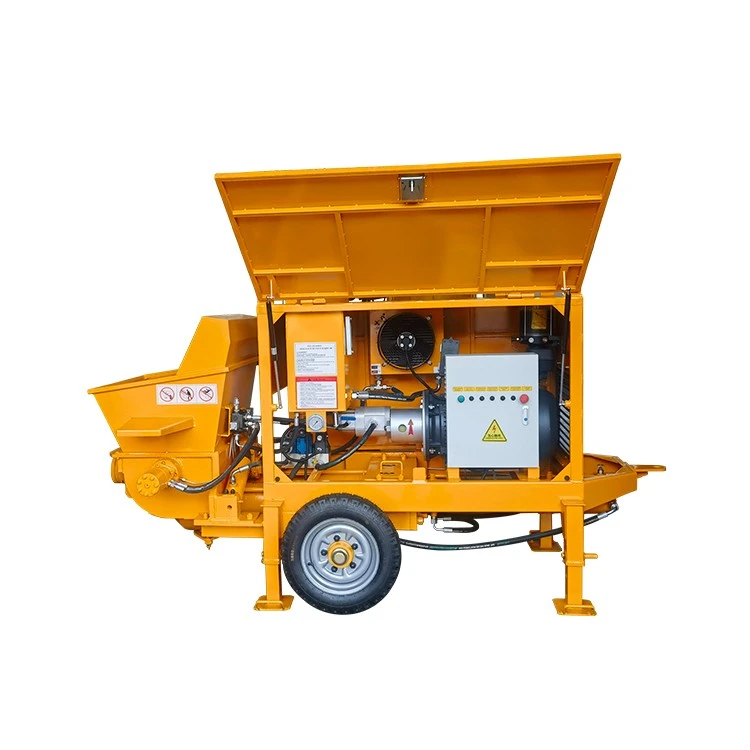
Let’s get into how a high-pressure concrete pump actually operates, because the mechanics are a big part of what makes them reliable. Most modern units use a hydraulic system to power two S-valves—those are the rotating, gate-like parts that switch the flow of concrete between the pump’s two cylinders. Unlike standard pumps, which use simpler piston systems that can only handle low pressure, high-pressure models have reinforced hydraulic cylinders made from heavy-duty steel, designed to withstand the intense force of pushing concrete through long pipes. Some of the more heavy-duty commercial units also have a “double-cycling” system, where one piston pushes concrete while the other refills, so pressure stays constant—no lulls that can make concrete slow down or block. The result is a smooth, continuous flow that’s critical for large jobs, like high-rise buildings, bridge decks, or dam construction, where stopping the pour to clear a block can create a weak, uneven concrete joint that compromises the structure’s integrity.
Now, you might be wondering: when should you choose a high-pressure pump over a standard model? It’s not just for big jobs. I’ve seen contractors get tripped up by trying to use a standard pump on a job that’s not super tall, but has tricky horizontal runs. For example, if you’re pouring a commercial slab for a warehouse that’s 200 feet from the mixer, around a few small utility sheds, a standard pump might not have enough pressure to push concrete around those bends without slowing down. A high-pressure pump can handle that easily, without needing extra pumps or pipe boosters. Another common use case is concrete delivery to hard-to-reach places: rooftop patios, second-floor additions, or construction sites that are surrounded by other buildings, so the pump has to move concrete through a series of turns to get to the pour site. Even for smaller jobs, like adding a concrete patio to a two-story home, a high-pressure pump can be more efficient than a wheelbarrow or a standard pump, because it cuts down on labor time and lets you pour the concrete evenly without stopping to move material manually.
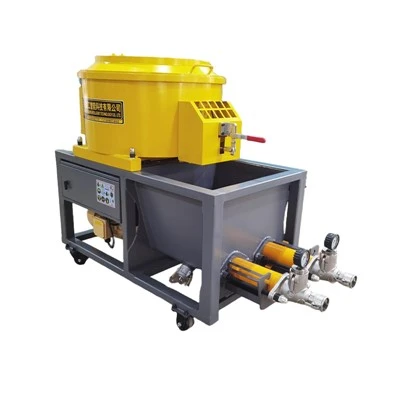
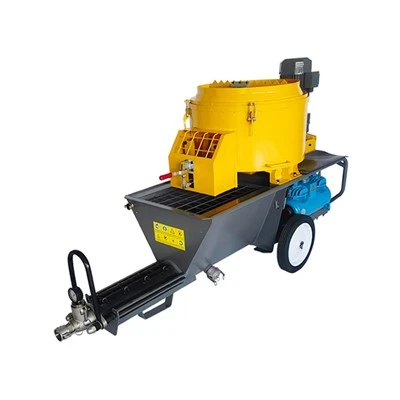
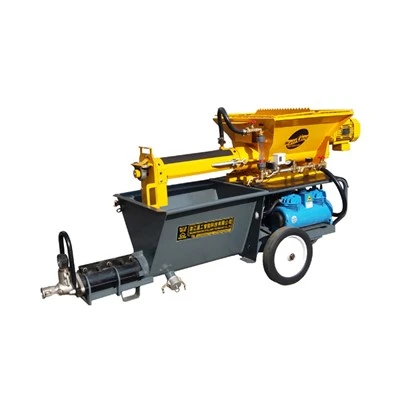
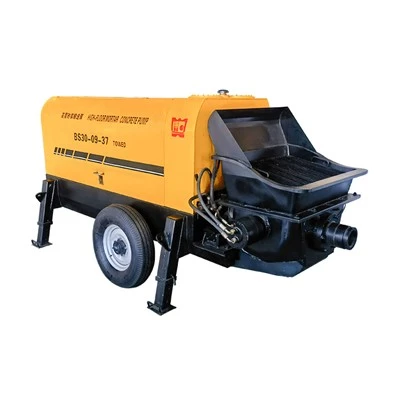
That said, high-pressure pumps aren’t one-size-fits-all. Some are designed specifically for smaller, mobile operations, while others are massive, truck-mounted units for large commercial projects. For example, if you’re working on a small residential renovation or a tight job that only needs to move small volumes of mortar or grout (like filling block walls or repairing cracks), you might want to check out our Mortar Grout Pump. These units have adjustable pressure settings, so you can dial in the exact force needed for thinner, fluid mixes without over-pressurizing and wasting material. For even smaller jobs, like pouring small foundations or patio sections, our Small Concrete Delivery Pump is compact, easy to maneuver through narrow site access, and has enough high-pressure capability to handle short vertical runs or tight spaces without sacrificing speed.
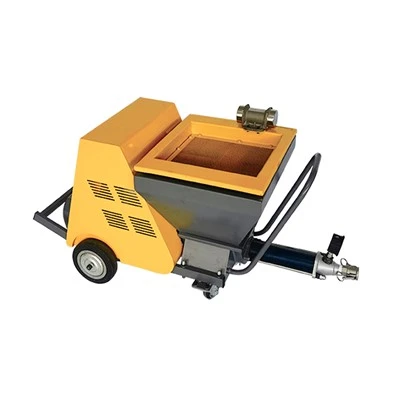
If you’re working on a mid-sized commercial project—like a strip mall, a small office building, or a multi-family residential development—a standard Concrete Delivery Pump might not cut it if you’re moving concrete over long distances or up more than a few floors. That’s where a high-pressure version of these pumps shines, with reinforced pipes and hydraulic systems that can handle consistent pressure for hours at a time. And for jobs that don’t have easy access to electricity (like rural construction sites or remote road projects), our Diesel Concrete Mixer Pump combines a high-pressure pump with a concrete mixer all in one unit, so you don’t need a separate power source or mixer to get concrete to the pour site.
I’ve heard a lot of misconceptions about high-pressure concrete pumps over the years, and one of the most common is that they’re too expensive for small jobs. While it’s true that they’re a bigger upfront investment than standard pumps, the time and labor they save more than make up for it—especially on jobs where delays from blockages would cost way more than the rental or purchase of the pump. Another myth is that they’re hard to operate, but modern high-pressure pumps come with user-friendly controls and safety features, like pressure sensors that will automatically shut off if the pipe starts to clog, so you can clear issues before they become major problems. We also provide training for all our clients, whether they’re renting or buying, to make sure they feel confident operating the pump and maintaining it for long-term use.
Maintenance is a big part of keeping a high-pressure pump working at its best, too. Because these units operate under so much force, small issues like worn pipe gaskets or dirty hydraulic filters can lead to big problems—like pressure drops or pipe leaks mid-pour. That’s why we recommend a routine inspection before every job: checking the S-valve for wear, tightening pipe connections, and flushing the pump thoroughly after each use to prevent concrete from drying and clogging the cylinders. For regular users, we also offer maintenance packages that include replacement parts and scheduled checks, so you don’t have to worry about unexpected downtime on a critical project.
At the end of the day, a high-pressure concrete pump is more than just a piece of equipment—it’s a tool that lets contractors take on jobs they couldn’t handle with standard pumps. Whether you’re a small-scale contractor working on residential additions, a commercial builder tackling mid-rise projects, or a road crew working on remote infrastructure, having the right pressure and power to move concrete efficiently is what makes the difference between a job that’s completed on time and on budget, and one that hits unexpected delays and extra costs.
If you’re not sure which pump is right for your specific project—whether you’re looking for a unit for a small residential job, a mid-sized commercial build, or a remote site that needs diesel power—we’re here to help. Our team has years of experience working with contractors across different industries, and we can walk you through the options to find a pump that fits your needs and budget. We offer both rental and purchase options, so you can choose what works best for your workflow. Don’t let tricky pours, long pipe runs, or hard-to-reach sites slow you down—reach out today to discuss your concrete pump needs and find the right solution for your next project.
References
- American Concrete Institute. (2021). Specification for Concrete Pumps and Pumping. ACI 304.2R-21.
- Construction Industry Institute. (2020). Equipment Selection for Concrete Placement: Best Practices. CII Publication 290-01.
- The Concrete Society. (2019). Concrete Pumping: A Guide to Best Practice. Technical Report 76.
- Hydraulic Institute. (2022). Hydraulic Systems for Construction Equipment: Pressure and Performance Standards.