If you’ve ever tried coordinating a concrete pour for a backyard patio, small home addition, or even a mid-sized commercial job, you know the last thing you want to do is stress over how much it’ll cost to rent the right concrete pump. As a supplier who’s worked with contractors, DIYers, and everyone in between for years, I’ve heard it all: people guessing budget numbers, surprised by hidden fees, or even renting the wrong pump entirely and wasting time (and money) mid-pour. Today, I’m breaking down exactly how much you can expect to drop on a concrete pump rental—no vague estimates, no fine print I’m not spelling out.
First off, let’s get one thing straight: concrete pump costs aren’t one-size-fits-all. A 50-square-foot patio for a homeowner isn’t the same as a 10,000-square-foot warehouse foundation for a general contractor. The biggest factors that shift the price? The pump’s size, power source, rental term, and even where your job is located (hello, remote rural areas vs. busy city centers). Let’s dive into each piece one by one, with real numbers I’ve quoted to customers lately, plus links to the exact pumps we rent that match each use case.
The Basics: What Kind of Pump Do You Actually Need?
Before we talk dollars, you’ve got to match the pump to your job size. Renting a pump that’s too small means multiple trips, delays, and higher labor costs. Renting one that’s way too big? You’re overpaying for capacity you’ll never use. Here’s the lowdown on the most common rental pumps we offer, and their price ranges:
-
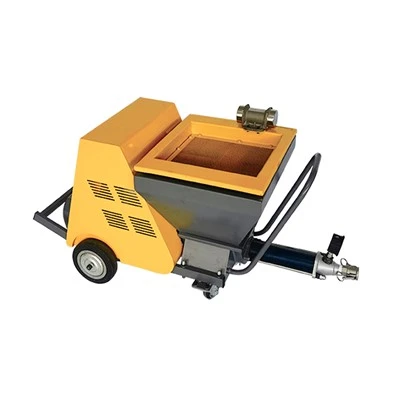
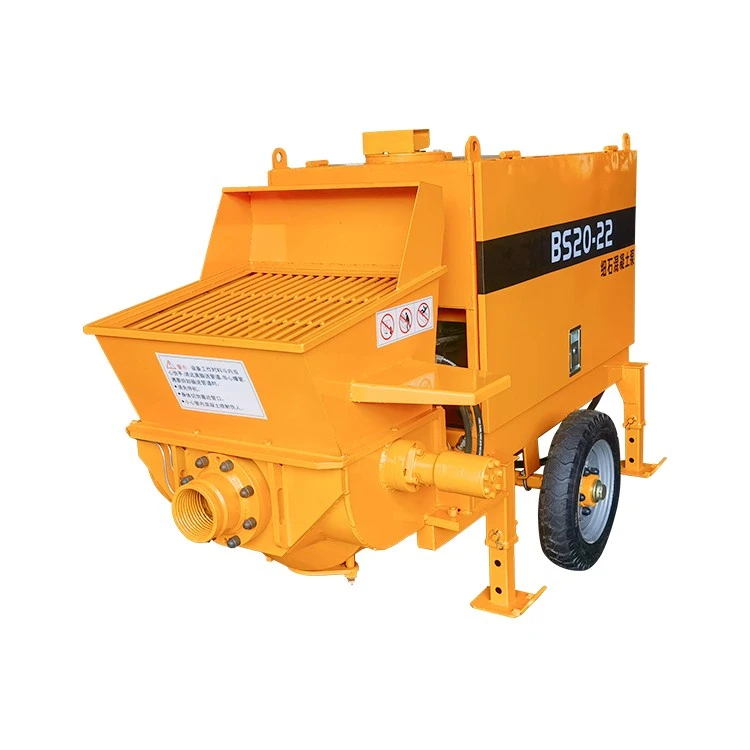
Small Concrete Delivery Pump
If you’re a DIYer working on a backyard patio, a walkway, or a small pool pour, this is your go-to. It’s compact, easy to maneuver into tight spots (like a narrow side yard with no heavy equipment access), and designed for jobs that take less than a full day. For short-term rentals (24 hours or less), these usually run between $250 and $450. Weekly rates are way better for those tackling a two-day job—think $1,200 to $1,800. If you’re not sure if this fits, check out the exact specs on our Small Concrete Delivery Pump page.
-
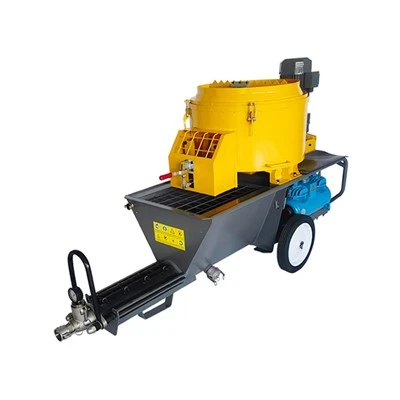
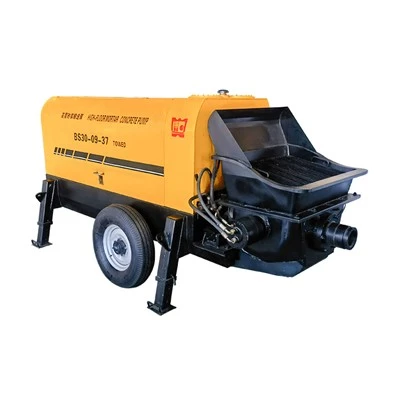
Diesel Concrete Mixer Pump
Now we’re moving up to mid-sized jobs: a home addition’s foundation, a small garage slab, or a multi-story residential project. The big perk here is it combines a mixer and pump in one—so you don’t have to rent a separate mixer and a pump, which cuts down on equipment rental costs and on-site work. Diesel-powered means no electric cord hassle, perfect for jobs where power isn’t easily accessible. Daily rental for a diesel mixer pump is between $450 and $700, weekly is $2,000 to $3,200. For larger commercial jobs that rely on steady, consistent concrete flow, this is a solid pick—you can browse the details on our Diesel Concrete Mixer Pump. -
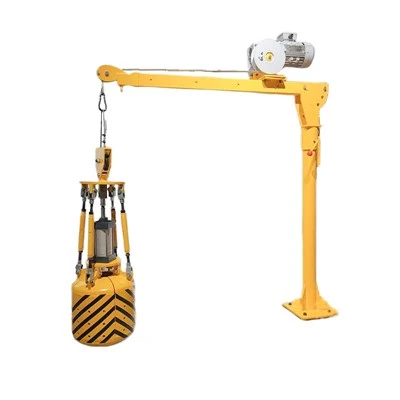
Standard Concrete Delivery Pump
For bigger commercial projects: a 10,000-square-foot warehouse, a multi-unit apartment building’s basement, or roadwork that needs to pour concrete quickly. These pumps have higher output rates and longer boom arms (so they can reach multiple spots on the job without moving the pump itself). Daily rates here start at $700 and go up to $1,500, depending on how far the boom needs to reach. Weekly rentals save about 15% off daily rates—so $3,500 to $6,000. If your job is mid-to-large scale, this is the pump you’ll need. More details are on our Concrete Delivery Pump page. -
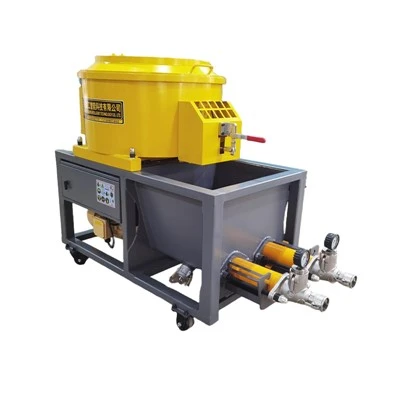
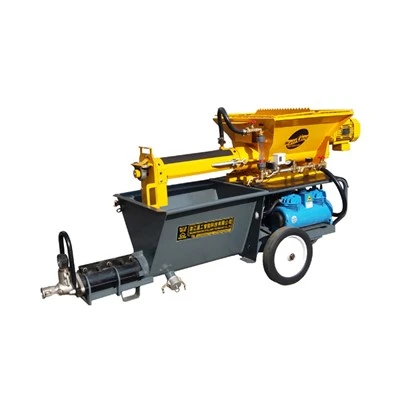
Mortar Grout Pump
Wait, this isn’t just for concrete—if you’re working on jobs that need mortar or grout (like tile setting, foundation grouting, or even small masonry projects), this is the pump for you. We get a lot of tilers and masonry contractors renting these, and they’re way more efficient than mixing and applying by hand. Daily rates are $300 to $500, weekly is $1,000 to $1,700. It’s a great option if you’re not pouring full concrete, so you don’t overspend on a pump designed for heavier concrete. Check it out here: Mortar Grout Pump.
What Adds to the Rental Cost?
Okay, so those are the base rates—but there are a few extra things that can bump up the price, and I always tell customers to plan for these upfront so no one gets sticker shock later.
First, delivery and pickup. If you’re located in a major metro area (like Chicago, Dallas, or Atlanta), delivery is usually included in the daily or weekly rate for our pumps within a 50-mile radius. But if you’re in a smaller town, rural area, or more than 50 miles away, we charge a small fuel fee or mileage surcharge—usually $0.75 to $1.25 per mile one way. Last month, a contractor in a remote part of Montana had to pay $220 for delivery, just so he didn’t have to haul the 3,000-pound pump himself. That’s a real example, not a random fee.
Second, operator cost. Wait—do you need to rent an operator with the pump? For small, simple pumps (like the Small Concrete Delivery Pump for a patio), a lot of experienced contractors prefer to run it themselves, so they skip the operator fee. But if you’re a DIYer with zero concrete pump experience, or you’re using a larger boom pump for a commercial job, you’ll need a certified operator. Operators charge $150 to $250 per day, and it’s worth every penny—misrunning a pump can lead to clogs, wasted concrete, and even safety hazards, so it’s not a spot to cut corners.
Third, time overages. Most rentals are for 8-hour days, 40-hour weeks. If your pour runs over (say, you hit a concrete delay that adds 2 hours), you’ll pay an overtime fee—usually 150% of the hourly rate, which works out to about $50 to $100 per hour, depending on the pump. I always tell customers to build in a 10% buffer for delays, so they don’t get hit with a surprise overcharge.
And finally, concrete itself? Wait, no—we don’t supply concrete, but if you’re renting a mixer pump, you’ll need to factor in the cost of the concrete, plus waste. A good rule of thumb is to order 5 to 10% more concrete than you calculate, just in case, so you don’t run out mid-job.
How Location Impacts Price
I mentioned this earlier, but it’s worth a deep dive. If you’re renting in a city with high demand for construction equipment (like New York, Los Angeles, or Houston), rental rates are usually 10 to 20% higher than smaller cities or rural areas. Why? Because supply is tighter—more contractors are renting pumps, so suppliers can charge a premium. Last quarter, a customer in Brooklyn paid $380 for a day on a small pump, while a customer in a small Ohio town paid $280 for the exact same model. That’s a real difference.
Also, seasonal demand. Spring and summer are peak construction times, so rates go up 15% in March, April, and May, and drop a little in the winter months (unless you’re in a warm climate like Florida, where winter is still busy). If you can schedule your rental for fall, you’ll save a few bucks.
Pro Tips to Save on Your Concrete Pump Rental
I’ve been in this game long enough to know people hate wasting money on rental equipment, so here are my top 3 hacks to lower your cost without sacrificing quality:
- Rent the right size pump for the job. A lot of DIYers grab the biggest pump they think they might need, but that’s a mistake. If you’re doing a 200-square-foot patio, the small pump is more than enough—no need to pay for a larger, more expensive pump that’s overkill. Stick to the specs for your job, like the Small Concrete Delivery Pump for small jobs.
- Rent weekly instead of daily. Most suppliers (including us) give a 10-20% discount when you rent for a full week instead of separate days. If your job takes 2 days, that’s still cheaper to rent weekly than two separate daily rentals.
- Return the pump on time, clean. We charge a $100 to $200 cleaning fee if the pump comes back covered in concrete that’s hard to remove. Taking 10 minutes at the end of the job to spray down the hopper and hose prevents that, and saves you money.
Final Thought: Don’t Guess, Plan Ahead
At the end of the day, the cost of a concrete pump rental is all about matching the pump to your job, factoring in extra fees, and planning for delays. The worst thing you can do is wait until the day before your pour to call a supplier and rush into a rental—you’ll end up paying more for last-minute availability.
If you’re still not sure which pump is right for your project, or you want a custom quote, reach out to our team. We can walk you through the details, answer all your questions, and make sure you get the right pump for your budget. No hidden fees, no confusing jargon, just straight-up pricing that fits your job.
References
- National Ready Mixed Concrete Association. (2022). "Concrete Pump Rental Cost Guide for Residential and Commercial Projects." Construction Equipment Trends Report.
- American Rental Association. (2023). "Factors Influencing Rental Rates for Concrete Construction Equipment." Equipment Rental Industry Insights.
- Local Construction Cost Database (U.S.). (2024). "2024 Concrete Pump Rental Rates by Location and Pump Type." Residential and Commercial Construction Cost Survey.
- Occupational Safety and Health Administration (OSHA). (2023). "Safety Guidelines for Concrete Pump Operation and Rental." Construction Safety Standards.
- Concrete Construction Magazine. (2023). "How to Select the Right Concrete Pump for Your Project Size." Practical Guide for Contractors and DIYers.