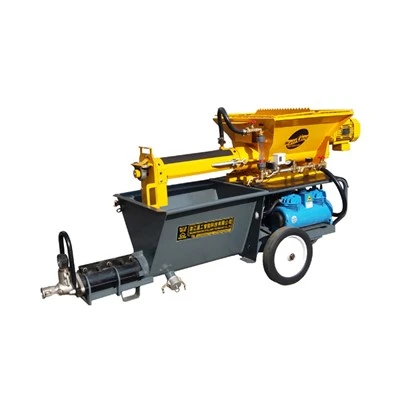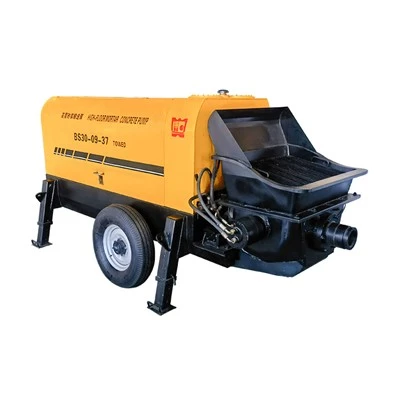
If you’ve ever spent time on a construction site—whether laying a patio, tuckpointing a brick wall, or smoothing a thin layer of grout over a subfloor—you know how much of a difference the right tool makes for both efficiency and quality. When I started selling portable grout pumps, I saw a lot of contractors (and even DIYers who’d taken on small renovation projects) grab for what they thought was just “a grout pump” only to struggle with heavy, immobile equipment that slowed them down, or thin, underpowered units that clogged mid-job. The truth is, not all grout pumps are created equal. The two most common types you’ll encounter are portable grout pumps and regular (or stationary) grout pumps, and understanding their core differences can make or break your project’s timeline, budget, and end result.
Let’s start with the basics: what a grout pump does, at its core. A grout pump is a machine designed to move fluid or semi-fluid material—whether that’s cementitious grout, mortar, wall putty, or even thin plaster—from a mixing bucket, hopper, or other source to the point where it needs to be applied. For small jobs like tuckpointing a single wall, grouting a few bathroom tiles, or applying a thin layer of wall putty, a handheld trowel or small bucket might work, but for larger areas or jobs that require consistent, even application over hours, a pump is non-negotiable. That’s where the lines between portable and regular grout pumps start to blur, but also where they diverge sharply.
First and most obvious: portability. It’s in the name, right? A regular grout pump—also called a stationary or skid-mounted grout pump— is built to stay in one place on a jobsite, or be moved only with significant effort, usually by a team of people or a forklift. Most regular grout pumps weigh 500 pounds or more, with a solid metal frame that’s built for heavy-duty, continuous operation, not for being hauled up stairs, loaded into the back of a pickup truck, or tucked into a tight corner of a backyard job. I’ve seen contractors bring a regular grout pump to a residential patio job, only to realize it can’t fit through the side gate—they had to unload it, haul it across the lawn, and assemble it on-site, losing half a day before they even started pumping.
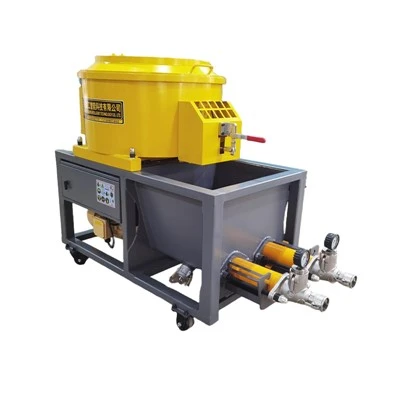
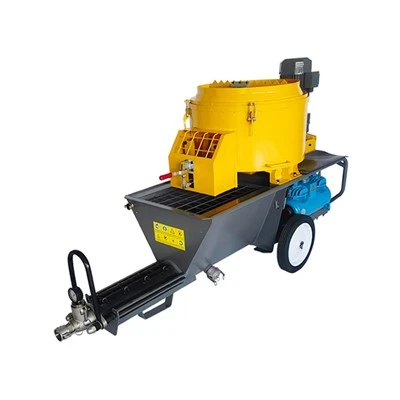
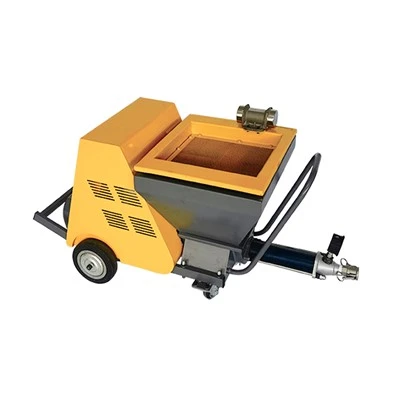
Portable grout pumps, on the other hand, are light enough for one or two people to move manually. Our top models, for example, weigh around 120 to 200 pounds, with a compact design that fits easily in the bed of a standard pickup truck, or even in the back of a van. They have sturdy handles and sometimes wheeled bases, so you can roll them across smooth concrete floors, carry them up a short flight of construction stairs, or tuck them between two pieces of equipment in a tight jobsite layout. For smaller contractors, or anyone who works on multiple jobsites in a single day, that portability is a game-changer. No more wasting time and money renting a crane or extra labor to move your pump—you can roll it where you need it, when you need it.
But portability isn’t just about physical weight. It’s also about power and operation scale. Regular grout pumps are built for long, continuous runs—think large commercial projects like pouring a structural slab, grouting a 10,000-square-foot foundation, or pumping mortar for a multi-story building’s entire masonry wall. These pumps have high-horsepower engines, large hoppers that hold 50+ gallons of grout at a time, and the ability to pump grout over long distances—sometimes hundreds of feet horizontally and vertically. They’re designed to run for 8 to 10 hours straight without needing a break, which makes them perfect for large, high-volume jobs where downtime is costly.
Portable grout pumps, by contrast, are designed for medium to small jobs, or for job sites where you don’t need non-stop operation. Most of our portable models have 2 to 5 horsepower engines, hoppers that hold between 10 and 30 gallons of material, and they’re built to run for a few hours at a time, with a cool-down period between batches. That’s not to say they lack power—we recently supplied a portable grout pump to a contractor grouting a 500-foot retaining wall, and it pumped grout 80 feet vertically without clogging—but they just aren’t built for 10-hour straight runs. For a small masonry job that will take two days of 4-hour shifts, a portable pump is more than enough, and way more cost-effective than renting a large stationary pump that you’d only use for a fraction of its capacity.
Another key difference: versatility with materials. This is where a lot of people get surprised. A common misconception is that portable grout pumps only work with thin, standard grout, while regular pumps handle all materials. That’s partially true, but the versatility gap runs deeper. Regular grout pumps are specialized for high-volume, structural grout—thick, cement-heavy mixes used for foundations, post-tensioning, or under-slab applications. They have high-pressure pumping mechanisms (often piston or plunger pumps) that can push dense, heavy material long distances, but they’re not well-suited for thinner, more viscous materials like wall putty or fine mortar. Trying to pump wall putty through a regular grout pump usually leads to clogs, uneven application, and wasted material, because the pump is built to move thick, heavy substance, not fine, smooth pastes.
Portable grout pumps, meanwhile, are designed to handle a wider range of materials beyond grout. Many of our clients use them to pump mortar for tuckpointing, wall putty for finishing interior walls, and even thin plaster for small renovation projects. For example, our Small Mortar Spraying Machine is a portable unit that can handle both grout and fine mortar, making it perfect for contractors who do a mix of masonry and interior finishing work. Similarly, our Wall Putty Spraying Machine is a compact, portable option specifically calibrated for smooth, even application of wall putty, something you won’t get with a regular grout pump. This versatility means you don’t need two separate pieces of equipment for different parts of a job—one portable pump can handle grouting a wall on Tuesday, spraying mortar on Wednesday, and applying wall putty on Thursday.
Downtime and maintenance are another big point of comparison. Regular grout pumps have more complex parts—large pistons, heavy-duty valves, and high-power engines—that require frequent, specialized maintenance. A clogged line on a stationary pump can take an hour or more to clear, because the pump is large and hard to access, and many parts require a mechanic with specific experience working on heavy grout equipment. On a large jobsite, that downtime can cost thousands of dollars in labor and delayed deadlines.

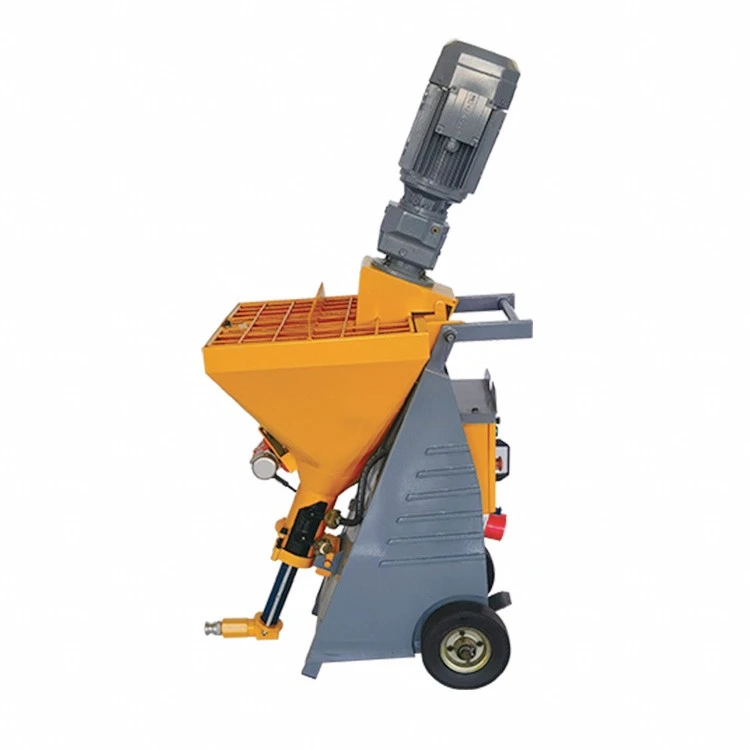
Portable grout pumps, by contrast, are built for quick, on-site maintenance. They have simpler, easier-to-replace parts—smaller valves, smaller hoses, and lightweight engines that don’t require specialized tools to access. A clogged line on a portable pump takes 5 to 10 minutes to clear, usually with basic tools like a wrench or a hose flush. Many of our portable models also use suction hoses that are less likely to clog than the high-pressure lines on regular pumps, which means less downtime overall. For a small contractor working on a tight schedule, that ability to fix small issues quickly can mean the difference between finishing a job on time and paying for overtime labor.
Cost is a factor too, though it’s not always as straightforward as it seems. A new stationary grout pump can cost anywhere from $10,000 to $50,000, depending on its size and power. That’s a big investment, and if you’re a small contractor who only uses a grout pump a few times a year, that cost might not make sense. Portable grout pumps, on the other hand, range from $1,500 to $8,000, which is a much more manageable investment for most contractors, DIYers, or small construction businesses. Even if you only use it for monthly jobs, the lower upfront cost means you don’t have to take on a large loan to get the equipment you need. That said, for large commercial contractors who do 50+ jobs a year that require 8 hours of continuous pumping, a stationary pump might make more sense, because the high volume will offset the higher upfront cost.
I’ve seen this play out firsthand with our clients. Last year, a small masonry contractor from Ohio reached out to me because he’d been renting a stationary pump for every jobsite, and the rental fees were adding up to more than a portable pump would cost. He bought one of our portable grout pumps, and told me later that he’d cut his job time by 30% because he didn’t have to wait for the rental pump to be delivered, and he didn’t have to pay extra labor to move it. On the flip side, a large construction firm in Texas reached out because they needed a pump for a 20,000-square-foot foundation pour that would take 12 hours straight—there’s no way a portable pump would handle that volume, so they went with a stationary model, and it worked perfectly for their needs.
So, how do you choose between the two? It all comes down to the size and type of jobs you do, and your ability to move equipment. If you work on small to medium jobs—like residential masonry, bathroom tile grouting, small patio pours, or interior wall putty application—and you need something that’s easy to move between sites, versatile, and low-cost, a portable grout pump is the right choice. If you do large-scale commercial jobs, need to pump material long distances continuously, or have a team to handle moving heavy equipment, a regular grout pump will serve you better.
At the end of the day, both types of grout pumps are designed to make construction easier, faster, and more consistent. The key is knowing which one fits your needs, not just grabbing whatever pump someone tells you to use. For anyone in the market for a portable option, I always encourage checking out our range of portable grout equipment, including the Small Mortar Spraying Machine for masonry work and the Wall Putty Spraying Machine for interior finishing. We work with contractors of all sizes, and we can help you find the right pump for your specific jobs, no matter how big or small. If you’re ready to learn more, connect with our team to discuss your project requirements, and we can walk you through our options, answer any questions, and help you get the equipment that will make your next job run smoothly.
References:
- Construction Equipment Association. (2022). Portable vs. Stationary Equipment: A Guide for Small Contractors. Retrieved from constructionequipmentassociation.org/portable-vs-stationary-guidance
- National Association of Masonry Contractors. (2023). Grouting Equipment Selection for Residential and Commercial Jobs. Retrieved from namc.org/grout-pump-selection
- Specialty Construction Tools Journal. (2023). Material Versatility in Grout Pumps: Matching Equipment to Job Materials. Retrieved from sctj.com/grout-pump-material-compatibility